


When the temperature drops, the air becomes drier, and we start using fires or heaters indoors, something happens to our scalp. Many people find that their skin feels tight, itchy, or flaky – even if they haven't had problems before. This is completely normal, but there are clear reasons why winter affects both hair and the scalp so significantly.
In this article, we'll go through why the scalp becomes dry in winter, and most importantly – what you can do about it.

⭐ 1. Cold air outdoors + dry air indoors = stressed scalp
Winter air contains much less moisture than summer air. When you also spend time in heated environments with dry radiators, the effect is amplified. The result is that the scalp loses more moisture than it can replenish.
The skin reacts by:
- feeling tight
- producing more sebum to “compensate”
- or becoming dry and flaky
Paradoxically, this can lead to both an oily scalp and dry ends.
⭐ 2. Harder water in winter can worsen the problem
Many Swedish homes have hard or mineral-rich water – and during winter, this is even more noticeable because the skin is already dehydrated.
Hard water can:
- disrupt the skin's pH balance
- make it harder for shampoo to lather
- leave minerals on the scalp that cause irritation
A shower filter or gentler cleansing product can make a big difference here.
⭐ 3. Most shampoos lack enough nourishment to help the scalp
When the scalp is stressed, dry, or irritated, it needs nourishment, not just cleansing.
The problem is that many traditional shampoos – both liquid and solid – are designed to cleanse first, and then condition. During winter, this is often not enough.
Many shampoos lack:
- moisturizing ingredients that strengthen the skin barrier
- botanical extracts that soothe the skin
- proteins that help the hair retain moisture
- oils and active ingredients that provide deep nourishment
This means the scalp can continue to feel dry even though you “do everything right.”
Nourishment is therefore just as important as cleansing itself.
⭐ 4. How to solve a dry scalp this winter – 5 simple steps
Here are the most effective steps you can start taking right away.
1. Use gentler cleansing products
Avoid harsh surfactants. Opt for products with gentler ingredients that do not disrupt the skin barrier.
The most important thing is to retain moisture in the scalp – not wash it away.
2. Wash your hair less often if you can
Winter hair often benefits from washing 2–3 times a week.
Washing too often can trigger both dryness and overproduction of sebum.
3. Let the conditioner touch your scalp (at least once a week)
A good conditioner with the right pH moisturizes and soothes the skin. Perfect during the winter months.
4. Finish with slightly cooler water
Hot water = drier scalp.
Finish the last 10–15 seconds with lukewarm or cool water to soothe the skin.
5. Protect your hair when you go outside
Wind + cold is a tough combination for the scalp.
A hat or hood actually does more than you might think.
⭐ 5. When your scalp needs extra love – choose products that work with nature, not against it
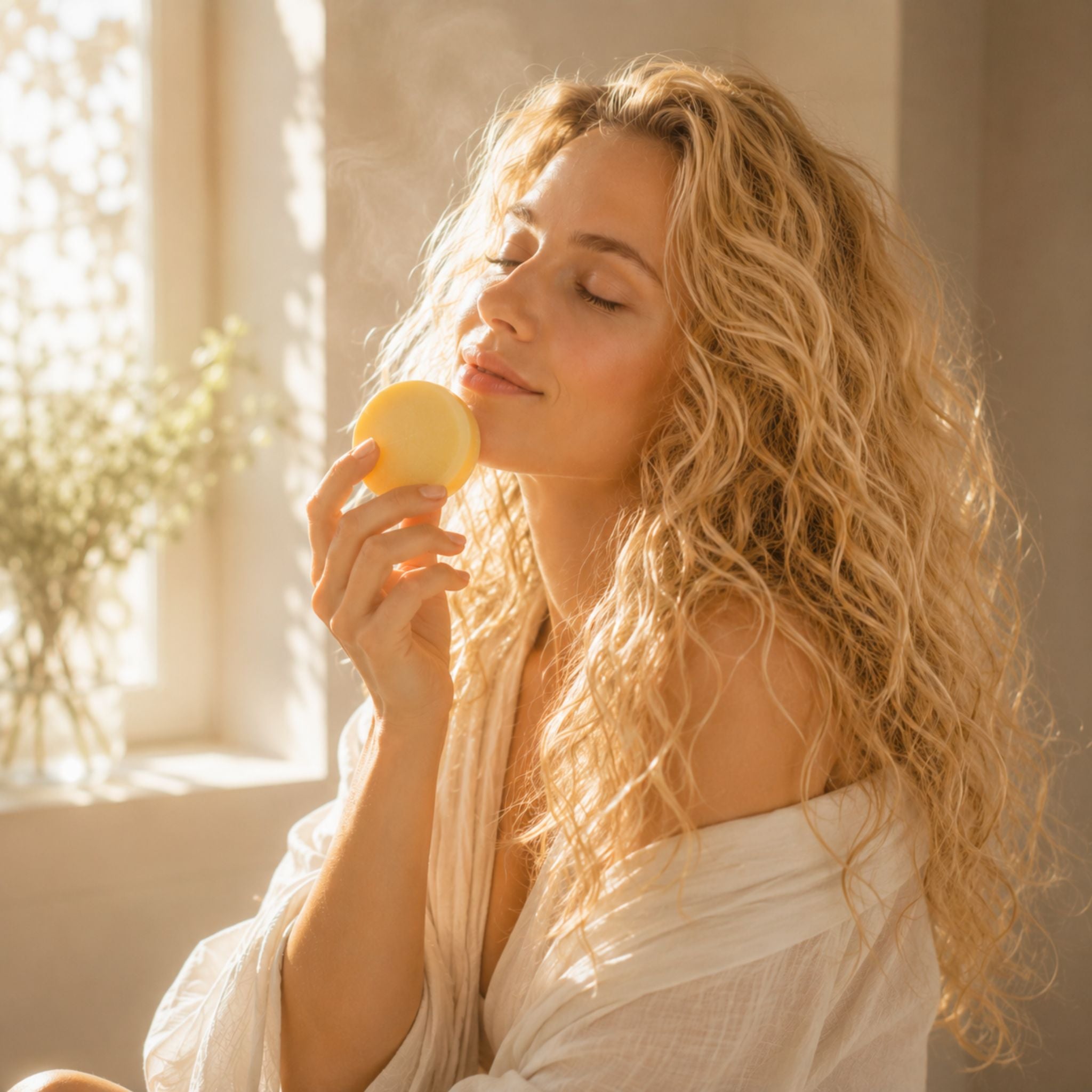
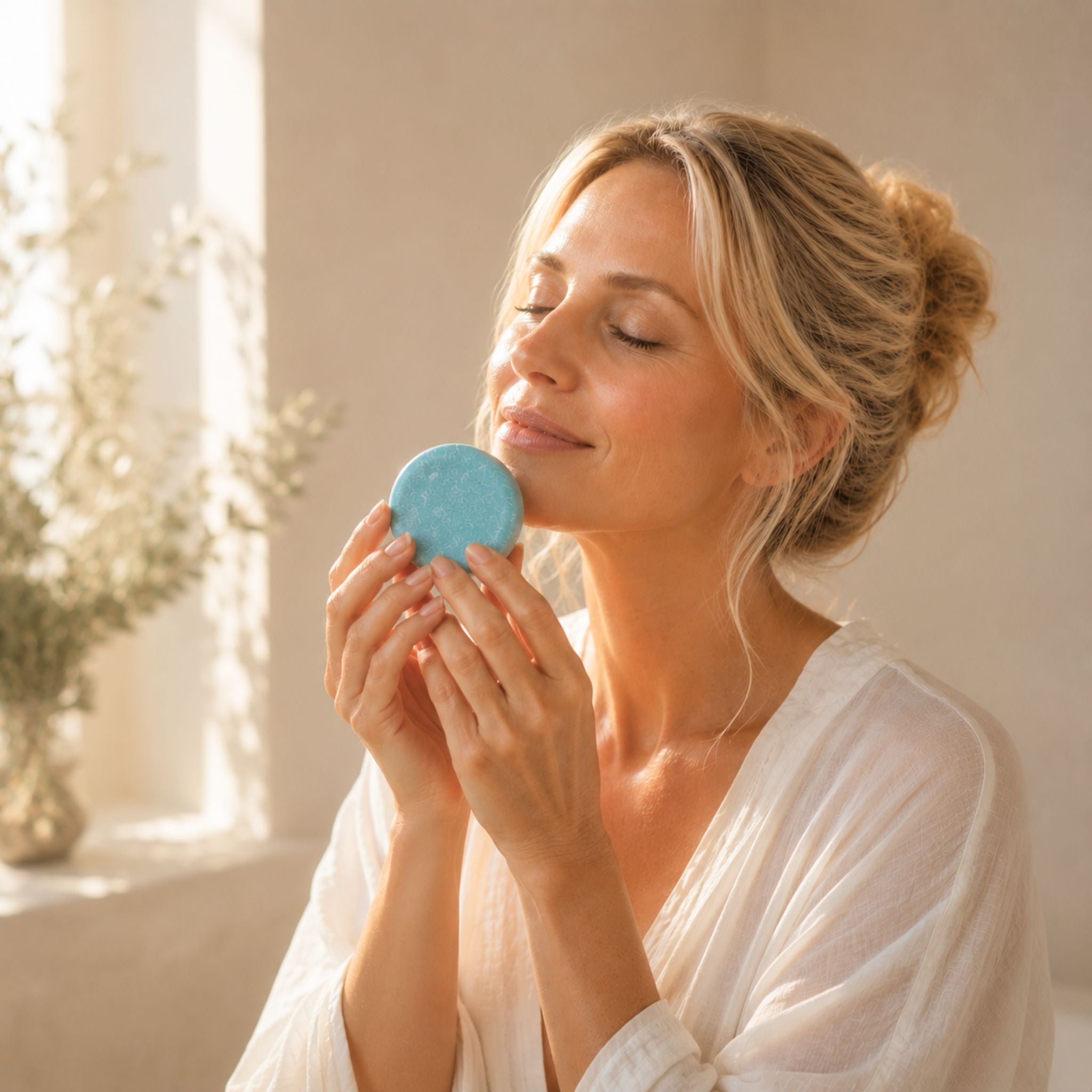
Winter hair requires gentleness. That is why waterless shampoo bars work so well, if they are formulated correctly.
A gentle formula should:
- contain natural moisturizers
- lather with just a few strokes
- not dry out the skin
- have a balanced pH
- provide deep nourishment
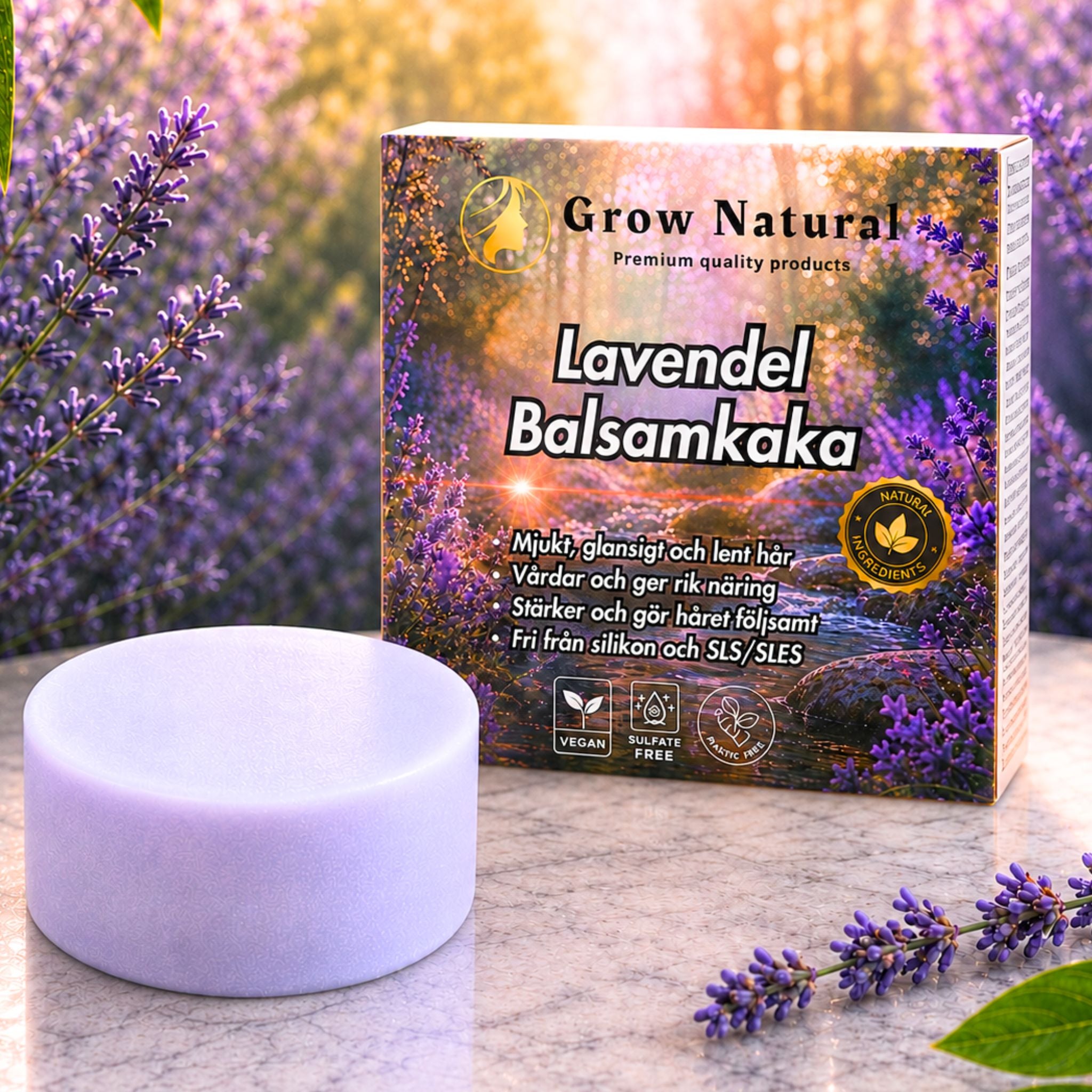
This is exactly the philosophy behind our shampoo bars at Grow Natural:
ingredients that make a difference, gentler ingredients, and products that actually work in the Nordic climate.

💚 Conclusion
Winter doesn't have to mean an itchy scalp and dry ends. With the right cleansing product, the right routines, and a little extra care, your hair can feel just as good during the colder months.






Share and get 15% off!
Simply share this product on one of the following social networks and you will unlock 15% off!